
How Do I Know What My House Is Worth?

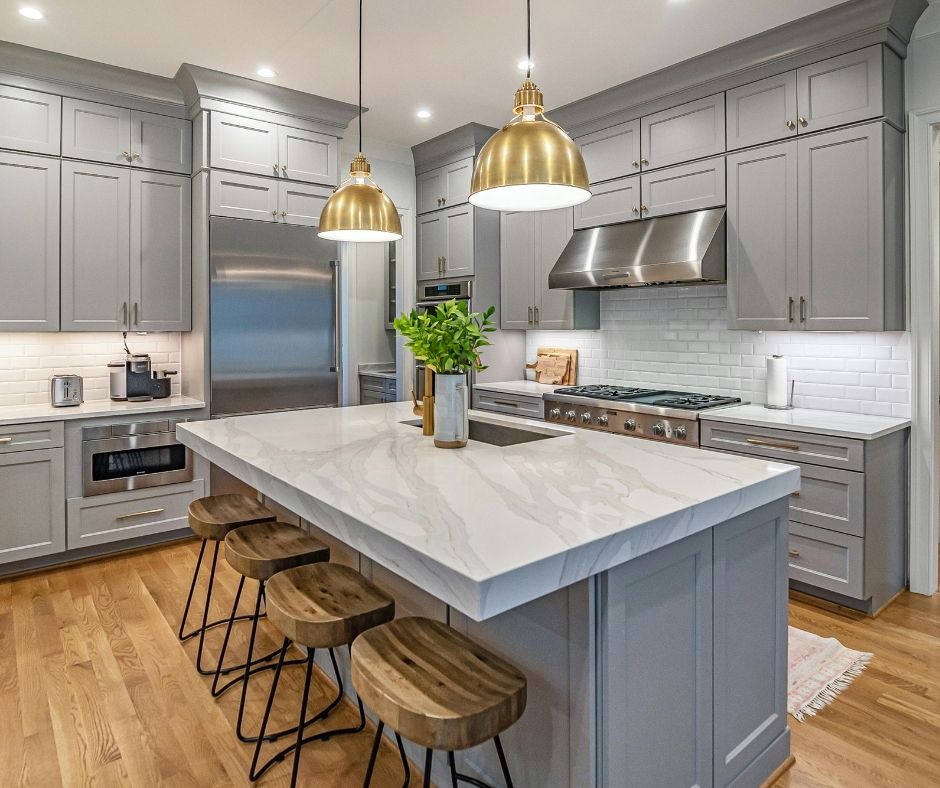
Determining the value of your home is one of the most important steps in the selling process. Whether you are considering selling your property, refinancing, or just curious about your investment, understanding your home’s worth can help you make informed financial decisions. Home values are influenced by a variety of factors, and knowing how to evaluate them can give you a clearer picture of your property’s market position.
Why Knowing Your Home’s Value Matters
Knowing your home’s value is essential for several reasons. For sellers, it helps set a competitive listing price that attracts buyers while ensuring you maximize your return. Pricing a home too high can lead to it sitting on the market, while pricing too low may result in lost potential profits.
For homeowners considering refinancing, knowing the current value of your property ensures you get the best terms and avoid overborrowing. Additionally, if you’re planning a home equity loan or line of credit, accurate valuation is key. Even for homeowners who are not planning to sell, understanding property value helps with long-term financial planning and assessing investment growth.
Factors That Affect Home Value
Several key factors influence how much your house is worth. Understanding these elements can help you evaluate your property and anticipate market changes.
Location
The location of your home is often the most significant factor affecting value. Homes in desirable neighborhoods with good schools, convenient amenities, low crime rates, and attractive surroundings generally command higher prices. Proximity to shopping centers, parks, transportation, and major employment hubs also plays a role in determining value.
Size and Layout
The total square footage, number of bedrooms and bathrooms, and overall layout can impact a home’s worth. Larger homes with functional layouts and open floor plans are generally more appealing to buyers, which can increase market value.
Condition and Age
Well maintained homes usually have higher value. Updates to kitchens, bathrooms, flooring, and roofing can make a big difference. Older homes that require significant repairs or modernization may have lower market value, unless they have unique architectural features that are highly desirable.
Upgrades and Features
Modern amenities, energy efficient systems, smart home technology, and high quality finishes often add value. Outdoor features like landscaped yards, decks, patios, and swimming pools can also increase appeal, depending on the local market and buyer preferences.
Market Conditions
Local real estate market conditions can greatly influence your home’s value. In a seller’s market with high demand and low inventory, home values tend to rise. Conversely, in a buyer’s market with more inventory than demand, prices may be lower. Interest rates, economic trends, and local development projects can also affect the market.
Comparable Sales
One of the most effective ways to estimate your home’s value is to look at recent sales of similar properties in your neighborhood. These comparable homes, often referred to as “comps,” give you insight into what buyers are currently willing to pay.
Methods to Determine Your Home’s Value
There are several approaches you can take to estimate the value of your home. Each method has its advantages and considerations.
Online Valuation Tools
Many websites offer instant home value estimates based on public records, recent sales, and market trends. While these tools can provide a quick ballpark figure, they are not always accurate because they cannot account for the unique features or condition of your property. Online estimates should be used as a starting point rather than a definitive valuation.
Comparative Market Analysis (CMA)
A comparative market analysis is typically provided by a real estate agent and compares your home to recently sold homes with similar characteristics in your area. This method considers size, location, condition, upgrades, and market trends to give a more accurate estimate of value. A CMA is one of the most reliable ways to understand your home’s market position.
Professional Appraisal
Hiring a licensed appraiser provides an unbiased, expert opinion of your home’s value. Appraisers consider all aspects of the property, including structure, upgrades, land, and local market conditions. An appraisal is often required by lenders for refinancing or mortgage approval, making it an official and thorough valuation method.
Observing Market Trends
Paying attention to local market activity can help you understand how your home fits into the broader real estate landscape. Tracking nearby sales, pending listings, and the time homes spend on the market can give insight into pricing strategies and value fluctuations.
Tips to Maximize Your Home’s Value
If you are thinking of selling, there are several strategies you can use to increase your home’s appeal and overall market value. Regular maintenance and timely repairs are essential, as a well cared for home makes a strong impression on potential buyers. Updating key areas such as kitchens and bathrooms can have a significant impact, since these spaces are often top priorities for buyers. Enhancing curb appeal is also important, so consider landscaping improvements, keeping exteriors clean, and creating an inviting entryway. Energy efficiency upgrades, such as new windows or improved insulation, can attract cost-conscious buyers while adding long-term value. Staging your home to highlight its best features helps buyers visualize themselves living there and creates a more memorable and compelling impression.
Working With a Real Estate Professional
Determining your home’s value and preparing it for sale can be complex, which is why working with a knowledgeable real estate professional is highly valuable. A qualified agent can provide a detailed comparative market analysis, advise on local market trends, and recommend specific improvements that can increase your home’s appeal and value. They can also help you develop a pricing strategy that aligns with your goals and ensures your property is competitive in the market. Whether you plan to sell soon or simply want to monitor your investment, having expert guidance provides confidence and helps you make informed decisions throughout the process.
Final Thoughts
Determining the value of your home is more than just checking an online estimate. It involves understanding your property, local market conditions, and the factors that influence buyer demand. By combining online tools, comparable sales data, and professional guidance, you can get a clear picture of what your home is worth.
Ready to Find Out What Your Home Is Worth?
If you are curious about your home’s value or considering selling, I can provide a detailed market analysis and guide you through every step of the process. Contact me today to get started and take the first step toward making informed real estate decisions.
Categories
Recent Posts









"Molly's job is to find and attract mastery-based agents to the office, protect the culture, and make sure everyone is happy! "