Real Estate Investment Mistakes to Avoid

Investing in real estate can be a powerful way to build long term wealth, generate passive income, and diversify your financial portfolio. Many investors are drawn to the idea of earning rental income, benefiting from property appreciation, and taking advantage of tax incentives. However, real estate investment is not without risks. Mistakes can be costly, and poor decisions may turn what should be a profitable venture into a financial burden. Whether you are a first time investor or have some experience in real estate, knowing the common mistakes to avoid can help you make smarter, more strategic choices.
Mistake #1: Failing to Research the Market
One of the most common errors real estate investors make is failing to thoroughly research the market. Location is a critical factor in determining a property’s value, rental potential, and long term appreciation. Investing in a property without understanding the neighborhood, local economy, employment trends, school districts, and future development plans can lead to poor returns. Before purchasing, spend time analyzing comparable sales, current rental rates, vacancy rates, and community growth trends. A property in a declining or stagnant market may be difficult to rent or resell, even if it looks attractive initially.
Mistake #2: Underestimating Expenses
Many investors focus solely on potential rental income or resale value, overlooking the true costs of owning a property. Expenses can include mortgage payments, property taxes, insurance, maintenance, repairs, utilities, HOA fees, and property management costs. Unexpected repairs or vacancies can significantly impact your cash flow. Creating a detailed budget and building a financial reserve can help prevent being caught off guard by expenses. Expect the unexpected and plan for contingencies to protect your investment.
Mistake #3: Overleveraging
Using financing to purchase property is common in real estate investing, but overleveraging taking on too much debt can be dangerous. High debt levels increase financial risk, especially if rental income declines or property values drop. It’s important to calculate your debt to income ratio, understand your mortgage obligations, and ensure that you have enough cash flow to cover expenses even during market fluctuations. Conservative leverage can help safeguard your investment over the long term.
Mistake #4: Ignoring Due Diligence
Buying property without performing proper inspections, title checks, or reviewing zoning and code regulations can lead to costly problems later. Issues such as structural damage, legal disputes, environmental concerns, or code violations may not be obvious at first glance but can require expensive repairs or limit your ability to rent or sell the property. Always hire professional inspectors, review property documents thoroughly, and consult with real estate attorneys when necessary to ensure your investment is sound.
Mistake #5: Failing to Screen Tenants Properly
For rental property owners, tenant selection is critical. Failing to conduct thorough background checks, credit checks, and rental history verification can result in problematic tenants who may pay late, damage property, or violate lease terms. Having a clear tenant screening process, detailed lease agreements, and policies for handling late payments or property damage is essential for protecting your investment and maintaining steady rental income.
Mistake #6: Neglecting Property Management
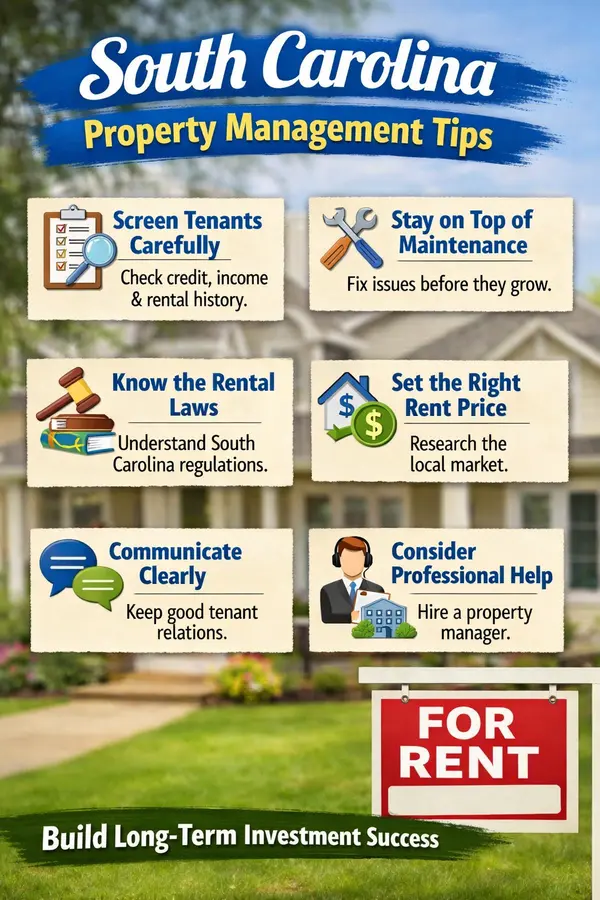
Some investors underestimate the time, effort, and expertise required to manage a rental property effectively. Maintenance, repairs, tenant communication, and lease enforcement can be time consuming, especially if you own multiple properties. Hiring a professional property management company can help streamline operations and ensure your property is well maintained, but it comes with additional costs. Evaluate whether you have the time and skills to manage your property yourself or if professional management is the best option.
Mistake #7: Overestimating Returns
Real estate investment is often portrayed as a guaranteed way to make money, but overestimating potential returns can lead to disappointment. Market conditions, tenant turnover, and unexpected expenses can all impact profitability. Be realistic in your financial projections and factor in all possible costs and market risks. Conservative estimates help you plan for stability and avoid financial stress.
Mistake #8: Ignoring Legal and Tax Implications
Real estate investments involve legal and tax considerations that can have significant consequences. Failing to understand local landlord tenant laws, property taxes, insurance requirements, and federal tax benefits can result in penalties or missed opportunities for deductions. Working with accountants, attorneys, or real estate advisors can help you navigate these complexities and maximize your investment while remaining compliant with regulations.
Mistake #9: Emotional Decision-Making
Investing based on emotions, such as buying a property because you “love the house” or assuming it will be profitable without research, can lead to poor investment choices. Real estate should be approached as a business decision, with data driven analysis guiding your purchases and strategies. Separate personal preferences from investment decisions and focus on financial metrics like cash flow, ROI, market trends, and risk assessment.
Final Thoughts
Real estate investment offers incredible potential, but success requires careful planning, research, and disciplined decision making. Avoiding these common mistakes can protect your investment, improve profitability, and reduce unnecessary stress. By thoroughly researching markets, budgeting accurately, performing proper due diligence, screening tenants, and seeking professional guidance, you can increase your chances of building long-term wealth through real estate. Every investor faces challenges, but those who approach real estate strategically are most likely to achieve lasting success.
Ready to Explore Real Estate Investment Opportunities?
If you’re considering investing in rental property or other real estate opportunities, I can provide guidance on market trends, property selection, and investment strategies. Reach out today to start building a smart, profitable real estate portfolio.
Categories
Recent Posts










"Molly's job is to find and attract mastery-based agents to the office, protect the culture, and make sure everyone is happy! "